
TL;DR: Unveiling the Wonders of Srilanka
Srilanka, a vibrant island nation nestled in the Indian Ocean, offers a captivating blend of rich history, stunning landscapes, and diverse cultures. This guide explores the must-know aspects of traveling to Srilanka, from navigating currency exchange to embracing sustainable tourism practices. Discover hidden gems, plan your optimal visit according to the best time to explore, and prepare for an unforgettable journey through this enchanting island paradise.
Exploring Srilanka: A Journey Through Time and Culture
Srilanka, officially the Democratic Socialist Republic of Sri Lanka, is a breathtaking destination that captivates visitors with its ancient ruins, pristine beaches, and warm hospitality. This island nation, known for its vibrant tapestry of religions and ethnicities, has emerged as a popular travel destination, attracting visitors from around the globe eager to experience its unique charm.
Currency Exchange in Srilanka: Bridging the Financial Gap
Before embarking on your Srilankan adventure, understanding the local currency and exchange procedures is essential. The official currency of Srilanka is the Sri Lankan Rupee (LKR). International airports, banks, and authorized money exchangers throughout the country offer convenient currency exchange services. It’s advisable to:
- Use official exchange channels: To ensure safety and avoid counterfeit currency, utilize licensed money exchangers or banks.
- Compare rates: Exchange rates can vary, so shop around for the best value.
- Have local currency on hand: Have some Sri Lankan Rupees readily available for immediate expenses, as not all establishments accept foreign currency.
Best Time to Visit Srilanka: When the Weather and Mood Align
Srilanka’s climate is primarily tropical, with distinct wet and dry seasons. Planning your visit around the best time to visit Srilanka based on weather conditions will enhance your travel experience:
- Dry Season (December to April): This period offers pleasant weather with minimal rainfall, making it ideal for exploring historical sites, hiking, and beach activities.
- Wet Season (May to November): Though rainier, this season brings lush greenery and fewer tourists, providing a unique perspective of the island’s natural beauty.
Sustainable Tourism in Srilanka: Respecting the Land and Its People
Srilanka embraces sustainable tourism practices, encouraging visitors to respect the environment and local communities. Here’s how you can contribute to this positive trend:
- Choose eco-friendly accommodations: Support hotels and resorts committed to sustainable operations, conservation initiatives, and responsible waste management.
- Respect cultural heritage: Dress modestly when visiting religious sites, follow local customs and traditions, and be mindful of your impact on cultural events and practices.
- Support local businesses: Patronize locally owned restaurants, shops, and tour operators to contribute directly to the local economy.
- Minimize your environmental footprint: Reduce plastic use, avoid littering, and consider participating in community-based tourism projects.
Unveiling Srilanka’s Treasures: Top Attractions and Experiences
Historical Marvels: Exploring Srilanka’s Ancient Past
Srilanka boasts a rich historical tapestry, evident in its numerous UNESCO World Heritage Sites and ancient ruins:
- Sigiriya: This majestic rock fortress, dating back to the 5th century, stands majestically amidst the central plains. Its intricate frescoes and the iconic "Lion’s Gate" make it a must-visit.
- Polonnaruwa: This ancient city, once the capital of medieval Sri Lanka, boasts well-preserved ruins, including the Gal Vihara statues and the stunning Polonnaruwa Lotus Pool.
- Anuradhapura: As one of the oldest continuously inhabited cities in the world, Anuradhapura offers a fascinating glimpse into Sri Lanka’s ancient past with its sprawling ruins and sacred sites.
Natural Wonders: From Beaches to Mountainous Majesties
Srilanka’s diverse landscapes offer a plethora of natural wonders:
- Yala National Park: Home to a diverse array of wildlife, including leopards, elephants, and crocodiles, Yala National Park provides an unforgettable safari experience.
- Galle Fort: This 18th-century Dutch fort, perched on the southern coast, combines historical significance with breathtaking ocean views.
- Nuwara Eliya: Known as the "Little England" of Sri Lanka, Nuwara Eliya offers picturesque tea plantations, colonial architecture, and cool mountain air.
- Beaches: Srilanka’s pristine beaches, from the vibrant Mirissa to the secluded Unawatuna, beckon sun-seekers and water sports enthusiasts alike.
Cultural Immersion: Discovering Srilanka’s Warmth and Hospitality
Srilanka’s vibrant culture awaits exploration through its festivals, traditional arts, and daily life:
- Temple Visits: Experience the spiritual side of Sri Lanka by visiting temples like Kelaniya Raja Maha Vihara, known for its stunning architecture and religious significance.
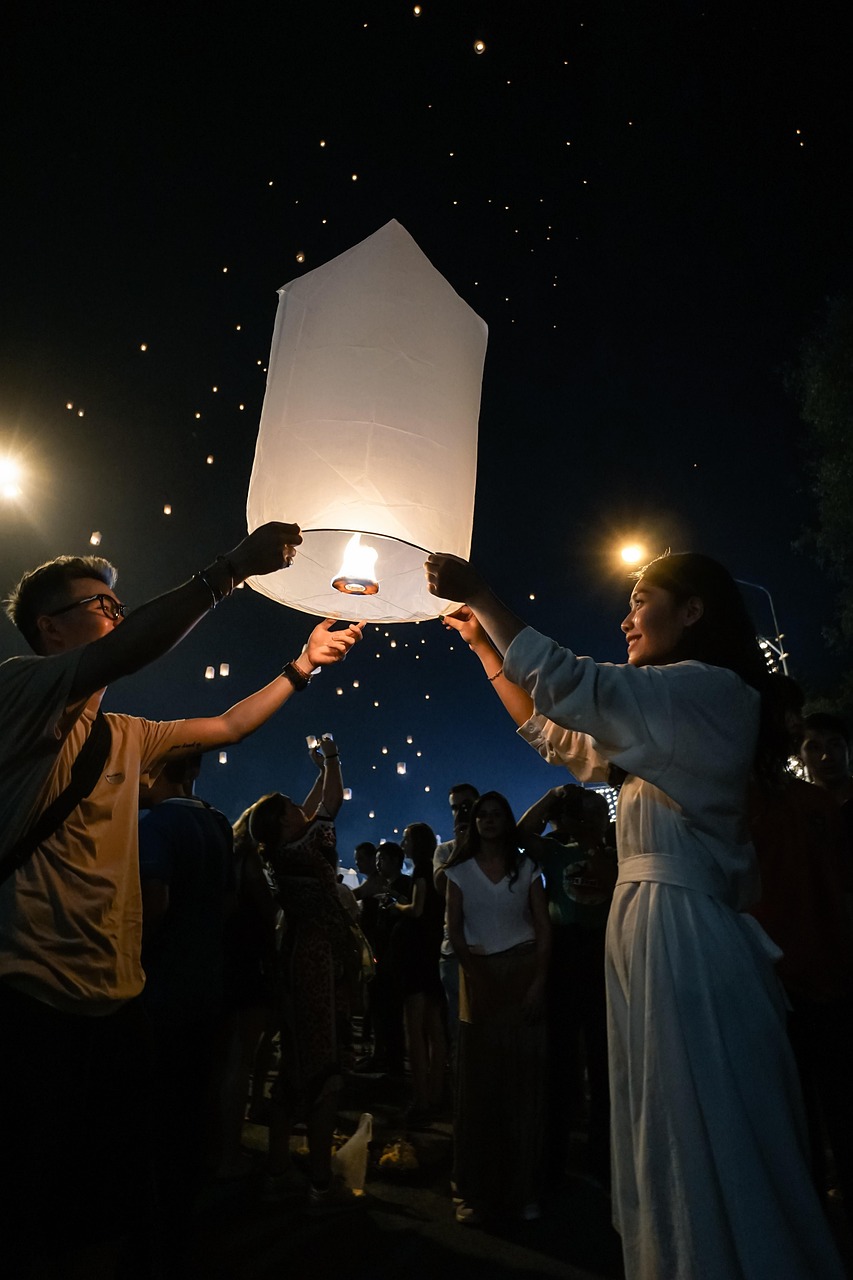
- Cultural Festivals: Time your visit to coincide with festivals like Vesak (the birthday of Buddha) or the Kandy Esala Perahera for a vibrant celebration of music, dance, and color.
- Cooking Classes: Learn the secrets of authentic Sri Lankan cuisine by participating in cooking classes, allowing you to savor the flavors of the island.
Practical Considerations for Your Srilanka Journey
Travel Advice and Warnings: Staying Safe and Informed
Srilanka generally welcomes visitors with open arms, but it’s essential to stay informed and take precautions:
- Check travel advisories: Before departing, consult your government’s travel advisory website for the latest information on safety and security.
- Stay alert: Be vigilant in crowded areas and be cautious of your surroundings, especially during nighttime.
- Respect local laws: Familiarize yourself with Sri Lankan laws and regulations to avoid any legal issues.
Getting to Srilanka: Travel Time and Options
Reaching Srilanka is relatively straightforward, with several travel options available:
-
By Air: Direct flights to Bandaranaike International Airport (CMB) in Colombo are available from many international destinations, making for a convenient arrival.
-
By Sea: Cruise ships and ferry services connect Srilanka with neighboring countries like India and the Maldives, offering a unique travel experience.
Accommodation Options: Finding Your Perfect Stay
Srilanka caters to a range of accommodation preferences, from luxury resorts to budget-friendly options:
- Hotels and Resorts: From coastal getaways to mountain retreats, Srilanka offers a wide selection of hotels and resorts catering to various budgets.
- Homestays: For a more authentic experience, consider staying in a local homestay, allowing you to immerse yourself in the daily life of a Sri Lankan family.
- Hostels: Budget-conscious travelers can find affordable accommodation in hostels, particularly in urban areas.
Frequently Asked Questions (FAQs)
1. What is the best time to visit Srilanka for a mix of weather and cultural activities?
The best time to visit Srilanka is during the dry season (December to April), offering pleasant weather and fewer tourists. This period is ideal for exploring historical sites and participating in cultural festivals.
2. Are there any specific vaccinations required for travel to Srilanka?
Check with your healthcare provider or a travel clinic for the latest recommendations on vaccinations. While not mandatory, some vaccinations like hepatitis A and B, typhoid, and malaria prophylaxis are advised.
3. How safe is Srilanka for female travelers?
Srilanka is generally safe for female travelers, but common sense precautions should be taken, as with any destination. Be vigilant in crowded areas, avoid traveling alone at night, and be cautious of your surroundings.
4. Can I find authentic Ayurvedic treatments in Srilanka?
Absolutely! Srilanka is renowned for its traditional Ayurvedic practices. You can find authentic Ayurvedic treatments in spas, wellness centers, and even some hotels. Book in advance for specialized treatments.
5. What are the local customs and etiquette in Srilanka?
Respect is a cornerstone of Sri Lankan culture. Dress modestly when visiting temples, remove your shoes before entering places of worship, and be mindful of your gestures. Greetings with a "Namaste" or a bow are customary.
Conclusion: Embracing the Magic of Srilanka
Srilanka, a vibrant gem in the Indian Ocean, beckons travelers seeking a unique blend of history, culture, and natural beauty. From exploring ancient ruins to experiencing the warmth of local hospitality, this island nation promises an unforgettable journey. By embracing sustainable tourism practices and respecting the local culture, visitors can contribute to the preservation of Srilanka’s enchanting charm for generations to come. Start planning your Srilanka adventure today and discover the magic for yourself.