

Colombo's tap water, while generally safe due to infrastructure improvements and health initiatives, occasionally faces challenges. Sri Lanka prioritizes water safety with regular testing, treatment, and public education. Visitors should stay informed about local guidelines, especially when traveling to rural areas. The best time to visit is during the dry season for exploring diverse landscapes, from bustling cities to serene hill stations, indulging in traditional cuisine, and participating in voluntourism focused on water conservation.
Is it safe to sip from the tap in Colombo? This question weighs heavily on the minds of many visitors and residents alike. Sri Lanka, known for its lush landscapes, boasts varying water quality across its cities, including the bustling capital. This article navigates Colombo’s tap water scenario. We delve into water quality assessments, Sri Lankan standards, potential health risks, the government’s oversight, firsthand experiences, and practical tips to ensure safe drinking water practices in this vibrant metropolis.
- Water Quality in Colombo: A Overview
- Srilanka's Tap Water Standards
- Health Risks: Potential Concerns
- Local Government's Role in Safety
- Experiencer's Perspectives on Tap Water
- Ensuring Safe Drinking Water Practices
Water Quality in Colombo: A Overview
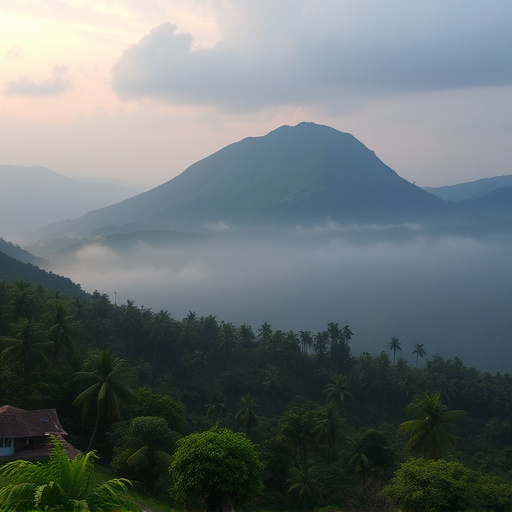
Colombo, the vibrant capital city of Sri Lanka, boasts a thriving food and dining scene, as well as being a gateway to diverse adventure activities and tours. However, when it comes to one of the most basic yet essential aspects of travel—safe drinking water—visitors often wonder about the quality of tap water in Colombo.
The city’s water supply has undergone significant improvements over the years, thanks to advancements in Sri Lanka’s transportation infrastructure and growing awareness of public health measures. The local government and utilities companies have made concerted efforts to ensure that the tap water meets international standards for drinking water safety. Regular testing and treatment programs are in place to monitor and maintain water quality, addressing concerns about potential contaminants commonly found in urban environments. While occasional outbreaks of waterborne diseases can occur, these incidents are usually localized and quickly addressed, providing reassurance to residents and visitors alike. For those planning a trip or relocation, it’s advisable to stay updated on local health guidelines, but generally, Colombo’s tap water is considered safe for consumption, contributing to an enjoyable Sri Lanka food and dining guide experience without the worry of water-related health issues.
Srilanka's Tap Water Standards

Sri Lanka, known for its stunning beaches and vibrant culture, also takes pride in maintaining strict standards for tap water safety. The country’s water supply is subject to regular testing and monitoring to ensure it meets international health standards. According to the Sri Lankan government, tap water is generally considered safe for drinking and everyday use across major cities like Colombo. This includes thorough treatment processes that involve filtration, disinfection, and quality checks to eliminate any harmful contaminants.
With its favorable climate, best time to visit Sri Lanka weather often pleases tourists year-round. The nation’s commitment to clean water ensures visitors can enjoy various activities without worrying about waterborne diseases. Moreover, the availability of safe tap water encourages sustainable practices, such as voluntourism opportunities in Sri Lanka, where locals and travelers can work together to protect and conserve this precious resource. So, whether you’re exploring the best beaches in Sri Lanka for surfing or immersing yourself in local initiatives, rest assured that accessing clean water is a priority for your overall well-being during your visit.
Health Risks: Potential Concerns

Local Government's Role in Safety

The local government plays a pivotal role in ensuring the safety and quality of tap water in Colombo, Sri Lanka. They are responsible for implementing stringent water treatment processes and regular monitoring to meet international standards. These measures include filtration, disinfection, and routine testing to detect any harmful contaminants, making the water safe for consumption. The government also provides public education on water safety practices, empowering citizens with knowledge to ensure they can make informed choices regarding their health.
When visiting Sri Lanka, it’s worth noting that the best season to explore the country is during the dry months, allowing you to navigate its vibrant landscapes without heavy rainfall disrupting your plans. For those craving authentic Sri Lankan cuisine, there are numerous local eateries where one can indulge in traditional dishes. As for travel time, getting to Sri Lanka is a straightforward process, with various flight options making it accessible from many international locations within a few hours, so you can start planning your trip and visit us at any time.
Experiencer's Perspectives on Tap Water
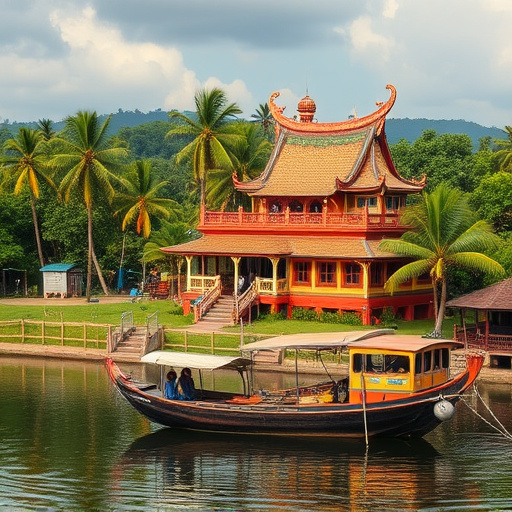
Ensuring Safe Drinking Water Practices

When it comes to drinking tap water in Colombo, Sri Lanka, ensuring safe practices is paramount. The country has made significant strides in improving its water infrastructure, but it’s essential to stay informed, especially for visitors. While many areas in Colombo have access to clean and safe drinking water, it’s crucial to understand the local customs and guidelines related to water consumption.
Tap water in Sri Lanka is treated and monitored regularly, but potential contaminants can still exist due to aging pipes or improper maintenance. Therefore, travelers are advised to take precautions, especially when exploring rural areas or following specific local practices. Staying hydrated is vital for a healthy and enjoyable trip, so consider using reliable filtration systems or purchasing bottled water from reputable sources. For those planning a longer stay or considering traditional wellness practices like sri lanka marriage ceremonies, where sharing meals and water is common, being mindful of these measures can enhance your overall experience while visiting the beautiful islands of Sri Lanka and ensuring a safe and memorable trip. Visit us at budget travel tips sri lanka anytime for more insights into navigating local customs and discovering the best places to stay in Sri Lanka.
In Colombo, Sri Lanka, while the water quality has improved significantly over time, it remains crucial for residents and visitors alike to be aware of potential health risks associated with tap water. The city’s water treatment facilities adhere to stringent standards set by the government, but local conditions can still introduce contaminants. By prioritizing safe drinking water practices, such as boiling or using advanced filters, individuals can mitigate any hazards. With ongoing efforts from the local government and positive experiences reported by locals, Colombo is on a path towards ensuring clean and safe tap water for all.